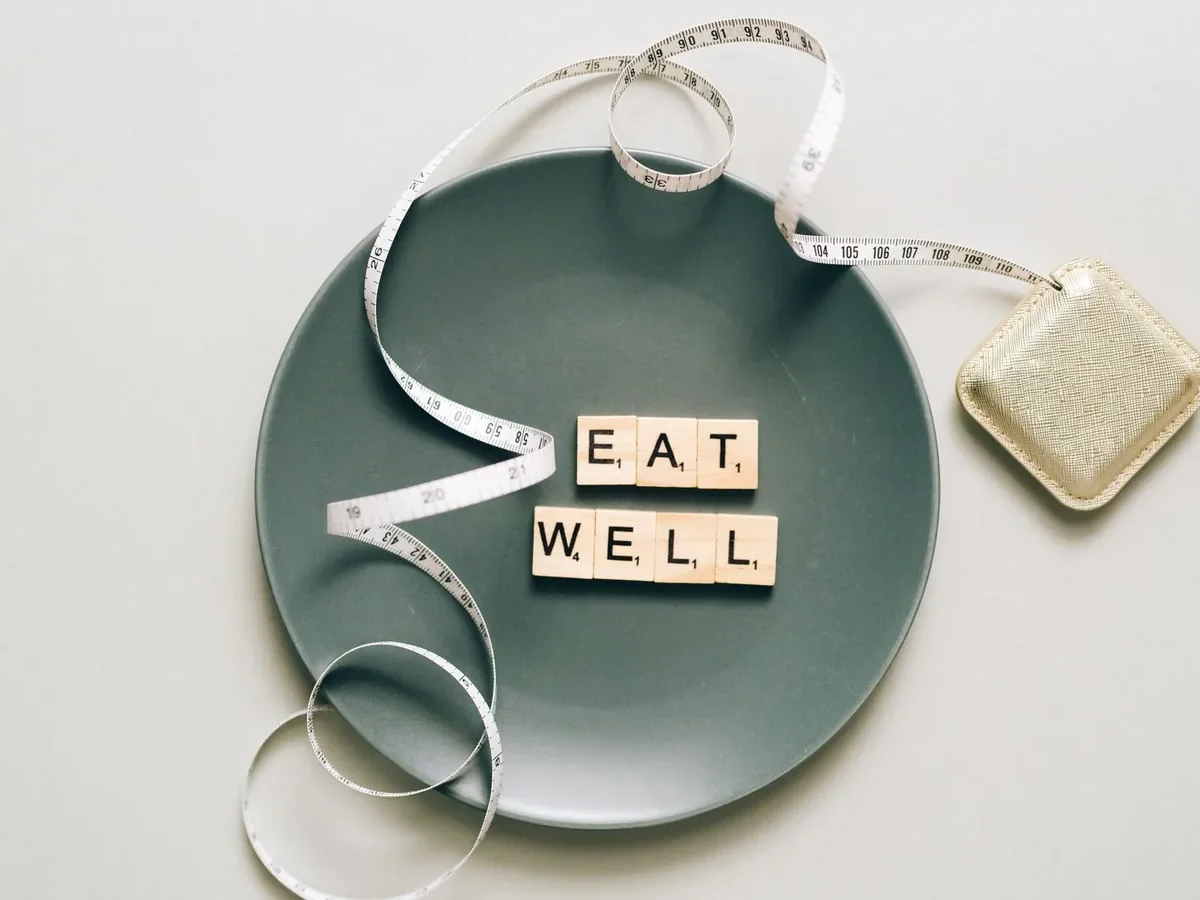

No. You can’t choose to lose fat from your face alone. Face fat comes down when your whole body is in a sustained calorie deficit, and your genes decide where it leaves first. For some people the face changes early. For others it is one of the last places to change.
Key takeaways
Spot reduction, including for the face, is not supported by the research. A review of 13 studies found no evidence that targeting one area works.
Your face shows weight loss early only if your genes put it early in the line. For many people, the waist or belly changes first.
The safe pace is 1–2 lb a week, according to the CDC. At that pace, facial changes, if your face is an early area, often take 2–4 weeks to show.
Can You Lose Fat Only From Your Face?
Spot reduction is the idea that working or treating one area burns the fat stored there. It is a myth, and it has been tested more than once.
A University of Sydney review published in November 2023 pooled 13 studies and found no evidence that targeting a body area reduces fat in that area. An earlier study by Vispute and colleagues, published in the Journal of Strength and Conditioning Research in 2011, looked at abdominal exercise. It found that those exercises did not selectively shrink belly fat. The face follows the same logic.
Fat cells don’t take orders from the muscles or skin next to them. When your body is short on energy, it draws on fat stores according to a pattern largely set by your genetics. You can’t point that process at your cheeks or jawline.
Myth
If you work the muscles in your face, or massage or treat your cheeks, you will slim them down.
What the evidence says
No exercise, massage, cream or targeted fasting plan has been shown to reduce face fat more than fat anywhere else. Facial exercises haven’t reduced face fat in a controlled study. The only lever that works is a calorie deficit across your whole body.
Why Your Face Changes When You Lose Weight
Your face carries a layer of fat just under the skin. There is no thick layer of muscle on top to hide it. That means even modest changes in body weight can show up in how your cheeks, jaw and chin look. Small ups and downs on the scale can make your face look rounder or leaner.
This is also why many people notice their face early in a weight-loss effort. You see it every day in the mirror, and the shape of your cheekbones and jawline can shift visibly.
Still, the order is personal. For some people, the face is one of the first areas to lean out. For others, it is one of the last. No major health agency has published a universal order of fat loss, and you can’t change your own order by training or eating differently.
If your face isn’t changing but the rest of your body is, that’s usually just your pattern. It doesn’t mean the plan isn’t working.
When Will Your Face Look Different?
The honest answer is that it depends on your genetics and on how fast you lose weight overall. Here are the numbers that matter.
If your face is an early area, you might notice more defined cheekbones, a sharper jawline, or less roundness in your cheeks within a few weeks. Many people see their waist or belly change before their face, though. Bodies are different, and that’s normal.
If you have been losing weight steadily for about 8 weeks and your face looks the same, your face may simply be a later area for you. That is not a sign that something is wrong. Keep your attention on the overall trend instead of the mirror.
If you regain weight, the face often shows it first. Areas that change quickly on the way down tend to change quickly on the way back up.
Want to see how long your own goal might take? The weight loss timeline calculator turns your numbers into a realistic range.
What Actually Works: Whole-Body Weight Loss
There is one reliable way to lose face fat: lose body fat overall. That takes a calorie deficit you can keep up for weeks and months.
The CDC puts the pace linked to lasting weight loss at 1–2 lb a week. Going much faster is not safer, and it doesn’t let you pick where the loss comes from.
Here is how to put that into practice this week.
- Find your deficit. Work out how many calories you burn in a day, then set a target below it.
- Keep the pace safe. Aim for 1–2 lb a week. Faster loss is not a shortcut to a leaner face.
- Add strength training. Resistance work helps you hold on to lean mass while you lose weight. That keeps your body looking firmer as it gets smaller.
- Eat enough protein and fiber. They help you feel full and support your muscle. Drink water as you normally would.
- Judge by trend, not by one mirror check. Look at your weight, your waist, and how your clothes fit over several weeks.
A note on water: temporary puffiness in the face can come from fluid shifts, and what you eat and drink can affect that. Water retention is not the same as fat. Drinking more water does not reduce face fat, though staying hydrated is good for your health overall.
Not sure where your calories should land? Start with the calorie deficit calculator and adjust from there.
Face Changes During Fast Weight Loss
When weight comes off very quickly, the face can look different in ways people don’t expect. A 2025 analysis indexed on PubMed looked at facial changes after rapid weight loss on GLP-1 medicines. It described fast loss of fat volume without the skin remodeling to match, which can lead to a temporary sagging look.
You don’t have to be on a medication for the lesson to apply. A faster drop gives your skin less time to adjust. That is one more reason to stick with a steady pace.
When to See a Doctor
Talk to your doctor first if…
You are losing more than 2 lb a week for more than 4 weeks and you are not in a supervised medical program. You notice unusual skin changes in your face, such as extreme loosening, flaking, or thinning. You are taking a GLP-1 medicine and the change in your face bothers you. Talk to your prescriber about options. Your face looks puffy and your weight has stalled. That combination is worth a medical check, since conditions like an underactive thyroid can be behind it.
A doctor can also tell you whether a change is normal for you. Cosmetic questions, such as procedures or fillers, belong with a qualified clinician.
Go further
Calorie deficit calculator: the overall deficit is what shrinks a waistline.
Frequently asked questions
Can facial exercises slim your face?
No. Spot reduction doesn’t work, and no controlled study has shown that facial exercises, massage or tools reduce face fat.
Does drinking more water reduce face fat?
No. Water can affect temporary puffiness from fluid retention, but it doesn’t reduce fat. Staying hydrated is still good for your general health.
Why is my face the last place I’m losing fat?
Mostly genetics. Your body decides the order in which it draws on fat stores, and you can’t change it. Keep your calorie deficit steady and look at the whole-body trend.
How do I know if my facial fat loss is normal?
At a pace of 1–2 lb a week, face changes often show within 2–4 weeks if your face is an early area for you. If nothing has changed after about 8 weeks but your overall weight is dropping, your face may be a later area. That is a normal pattern.
Does face fat come back first if I regain weight?
Often, yes. Areas that changed quickly on the way down tend to change quickly on the way back up.