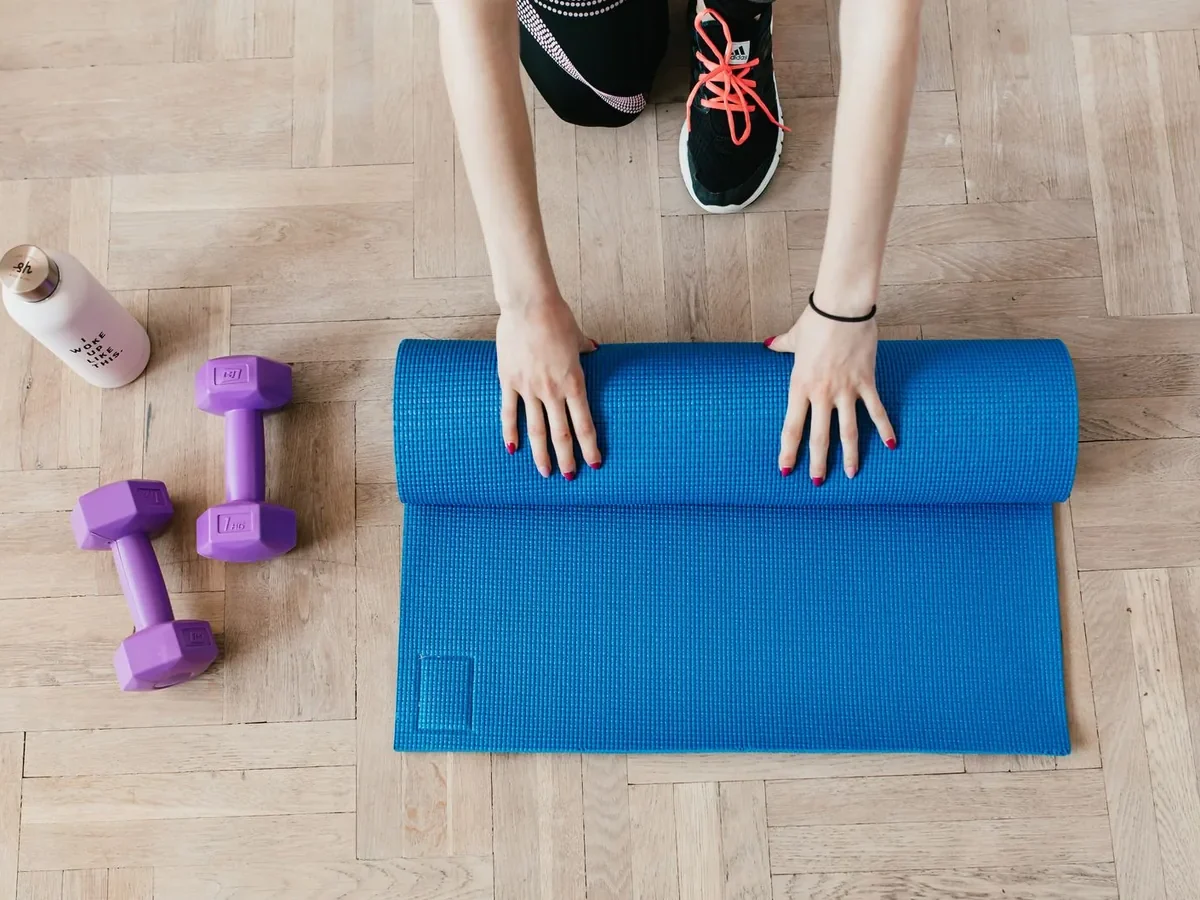
Strength training won’t speed up how fast the scale moves. The pace the CDC links to lasting weight loss stays at 1–2 lb a week. What lifting changes is what you lose: more of it comes from fat, and more of your muscle stays put.
Key takeaways
Resistance training helps you lose fat while keeping or modestly building muscle, even in a calorie deficit. Dieting alone tends to reduce muscle.
It does not make the scale drop faster. Aim for 2 days a week of muscle-strengthening work, and pair it with enough protein.
If you take a GLP-1 medication, protecting muscle matters even more, because a smaller appetite can leave protein too low.
What strength training actually does for weight loss
Many people think lifting is mainly a way to spend calories. That is the weakest part of the case. A validation study of calorie-tracking watches found errors of about ±20–30%, so any “calories burned” number you see is a rough guess. Building your plan around it will mislead you.
The stronger case is about composition. In a study on resistance training for high-quality weight loss in men and women, fat loss from resistance training was 1.1 ± 0.7 kg. The aerobic group lost 0.86 ± 2.0 kg. During calorie restriction, resistance work preserved or increased fat-free mass (muscle, bone, water and everything else that isn’t fat), while dieting alone reduced it.
This is called body recomposition: losing fat and holding on to (or modestly adding) muscle at the same time. Research suggests resistance training is the type of exercise that gets you there. Notice the word “modestly.” Lifting in a deficit is mostly about preserving what you have, not building a lot of new muscle.
Why keeping muscle matters
When you eat less, your body loses some lean tissue along with fat. Muscle also tends to decline with age. Put those together and a diet with no lifting can leave you lighter but weaker.
Keeping muscle pays off in ways you can feel. You keep your physical capacity for stairs, groceries and getting up off the floor. Your cardiometabolic health is better supported. And your body shape looks better at the same weight, which is often how people judge whether a diet “worked.”
There is a longer-term angle too. Physical activity, including strength work, is a key factor in keeping weight off, according to National Weight Control Registry findings. Losing weight is one task. Maintaining it is another, and your habits do most of the work there.
Myth
If you lift weights, you’ll lose weight faster.
What the evidence says
The safe pace doesn’t change: about 1–2 lb a week. Lifting improves the quality of the loss, meaning more fat and less muscle. Don’t expect a faster scale, and don’t panic if the scale moves slowly while your clothes fit differently.
You may also hear that muscle weighs more than fat, so the scale can mislead you. There is something to it: the scale measures total weight, not composition. But it’s no excuse to ignore the scale. If your weight, waist and strength all stall for weeks, adjust your intake or activity instead of assuming muscle is hiding the progress.
How to keep muscle while you lose weight
Two levers matter most: protein and resistance work.
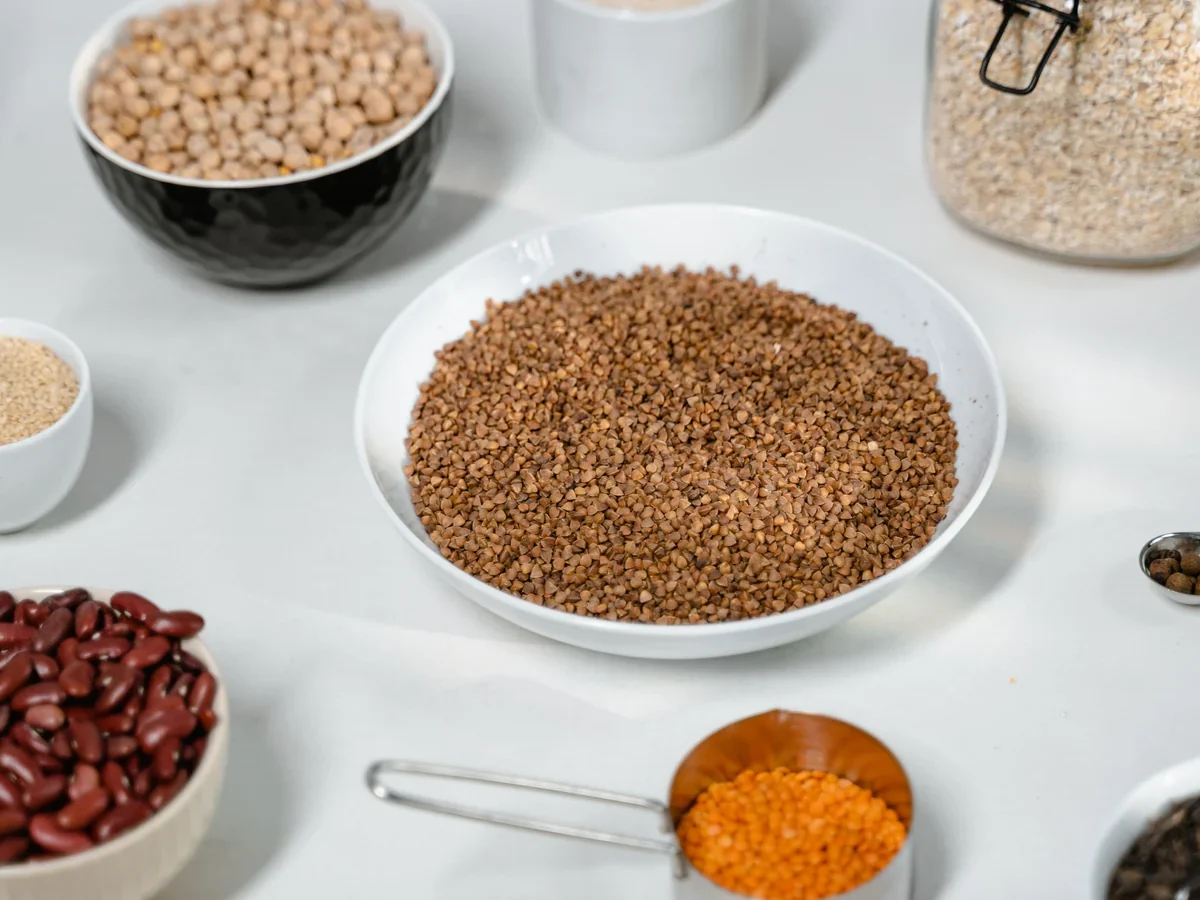
The minimum protein recommendation (RDA) is 0.8 g/kg a day, from the National Academies. During calorie restriction combined with lifting, the research points to 1.2–2.0 g/kg a day, based on adjusted body weight, to protect lean mass. To turn that into your own number, try the protein intake calculator, then check it against your calorie target with the TDEE calculator.
For activity, federal guidelines call for 150–300 minutes a week of moderate activity plus muscle-strengthening work on at least 2 days a week. Strength training fits inside that total. It isn’t a separate competition with your walks or cardio.
Food quality helps as well. Choose nutrient-dense foods and stay hydrated, especially when your calories are lower and your energy may dip.
If you take a GLP-1 medication
Muscle loss during GLP-1 treatment is largely linked to the calorie reduction and to protein that falls too low, not to the medication itself. Because these drugs lower appetite, it’s easy to under-eat protein without noticing. Strength training plus adequate protein reduces that effect. Dosing and any changes to your treatment are a conversation for your prescriber, not something to adjust on your own.
What the research shows
A recent meta-analysis found that resistance exercise improves fat mass loss, with high certainty, and helps preserve fat-free mass, with moderate certainty. Another paper in Frontiers in Endocrinology reached a similar conclusion: resistance training can produce fat loss and muscle gain together, even in an energy deficit.
Research doesn’t say which style of lifting is best. Free weights, machines, cables and bodyweight moves all have supporters, and studies are mixed on any winner. The practical answer is the one you’ll keep doing.
Timing also varies. Body recomposition is a matter of weeks to months, not days. Your starting muscle, how consistently you train and your genetics all play a part, so no single schedule fits everyone. Researchers also haven’t pinned down a stable number for how much a single workout changes your metabolism, so be wary of anyone who gives you one.
How to start if you’re new to lifting
- Start with 2 days a week. That’s the federal minimum for muscle-strengthening activity, and it’s enough to begin.
- Use what you have. You don’t need a gym. Bodyweight moves, resistance bands and a pair of dumbbells all count.
- Progress gradually. Add effort slowly. Eating less can leave you tired, so don’t pile on too much too soon.
- Eat your protein. Spread it across your day and aim for your target range.
- Get hands-on help if you can. A coach or physical therapist can build a routine around your joints, your history and your goals. This page doesn’t replace that.
Talk to your doctor first if…
You’re a teenager, pregnant, or living with heart disease or arthritis. The same goes if you have a history of an eating disorder, or if you have diabetes treated with insulin. Calorie restriction and new exercise can change your needs in each of these cases, and a clinician who knows you can set safe limits.
Where lifting fits in your overall plan
Think of strength training as one piece of a bigger plan. It doesn’t produce a dramatic calorie burn, and it won’t change the safe pace of 1–2 lb a week. It supports the rest of the plan in practical ways.
It can help you stick with the plan, since getting stronger gives you a result to notice besides the scale. Together with protein, it can help you feel fuller. And it protects your health while you eat less. Set your calorie target first with the calorie deficit calculator, then let lifting shape the result.
Not sure how much protein fits your body and your goal? Plug your numbers into the protein intake calculator and use the range as a starting point.
Go further
TDEE calculator: see how activity changes your daily burn.
Frequently asked questions
Does lifting heavy weights burn more calories than cardio?
Studies show similar calorie expenditure. The advantage of strength training is muscle preservation, not a bigger calorie burn.
How long until I see body recomposition?
Typically 4–12 weeks, but it varies with your starting point, how consistently you train and your genetics.
Can I do strength training every day?
Training 2–3 days a week is standard. More can be fine if you recover well, but consistency matters more than frequency.
Will lifting make the scale go up?
It can, because the scale doesn’t separate fat from muscle. Track your waist, your strength and how your clothes fit alongside your weight. If everything stalls for weeks, review your intake and activity.
Sources
ODPHP — Physical Activity Guidelines for Americans
PubMed — Resistance training as a key strategy for high-quality weight loss in men and women
Frontiers in Endocrinology — Resistance Training for Weight Loss
PMC — Effect of resistance exercise on body composition during weight loss
PMC — Suboptimal protein intake for hypocaloric diet needs while using GLP-1 agonists