A Mediterranean meal plan is built around olive oil, fish, legumes, nuts, vegetables, fruit and whole grains, with little red meat and few ultra-processed foods. It is a way of structuring your plate, not a calorie prescription. The best evidence suggests that it helps you stick with healthy eating, and that any weight loss still comes from your overall energy balance.
Key takeaways
The USDA describes a Healthy Mediterranean-Style Pattern with roughly 45–55% of calories from carbohydrates, 25–35% from fat and 15–20% from protein.
In the DELISH trial, people following a Mediterranean-style approach lost about 10 lb on average over 24 months. That was not significantly different from the control group.
The strongest case for this pattern is that it is easy to stick with and fits a heart-friendly way of eating. It is not a shortcut to faster weight loss.
What Is the Mediterranean Diet? (And What It Isn’t)
The Mediterranean diet is a traditional eating pattern from countries around the Mediterranean, including Greece, southern Italy and Spain. It is a pattern of foods, not a short program with a start and end date.
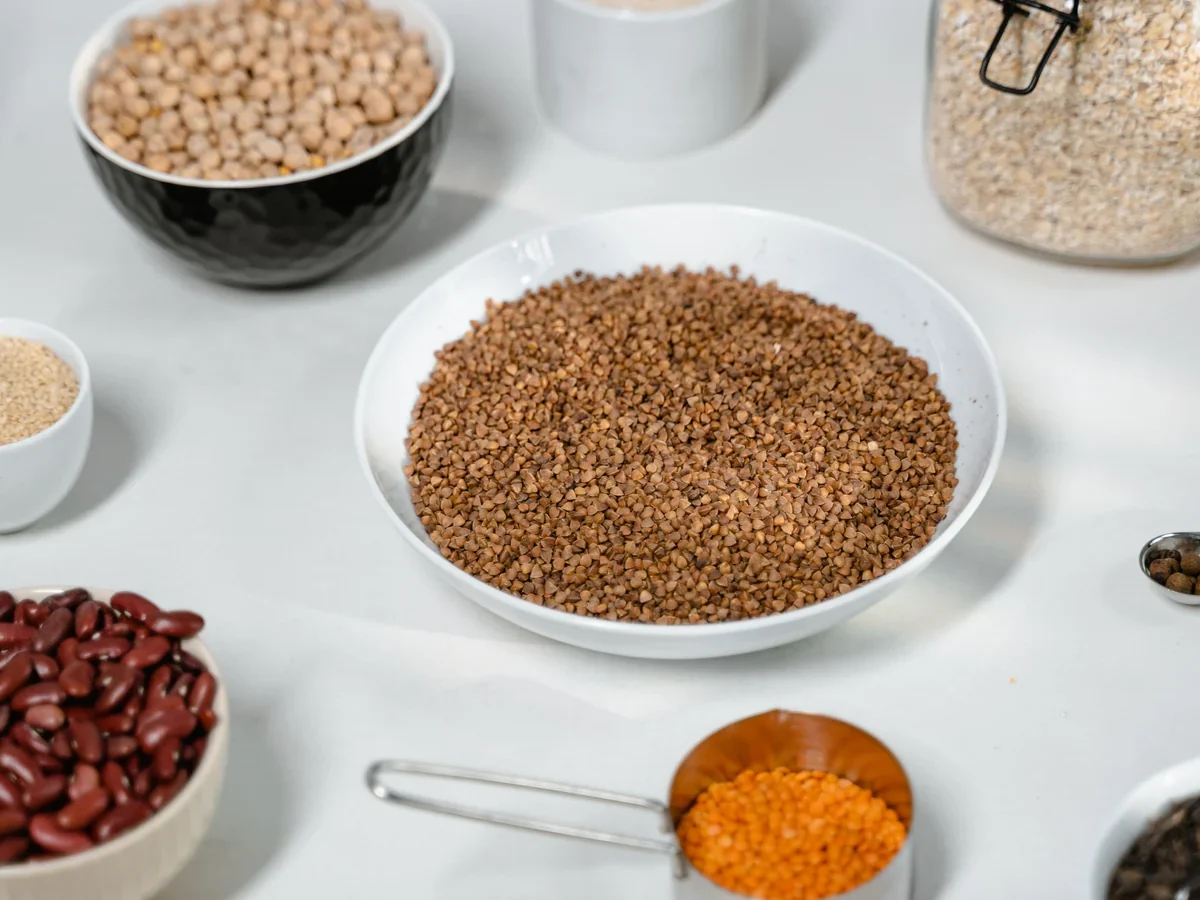
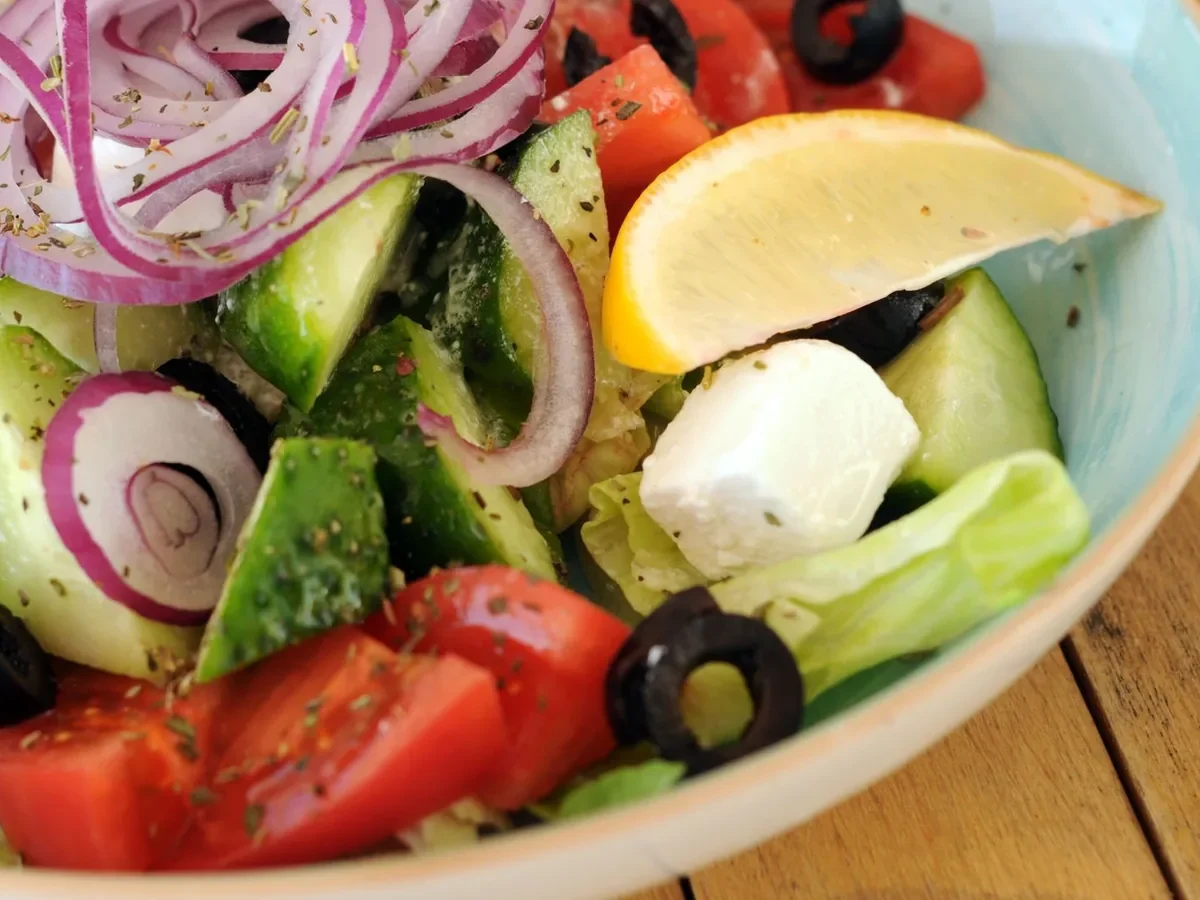
It includes olive oil, fish, poultry, nuts, legumes, fruits, vegetables and whole grains. Cheese and yogurt show up in moderate amounts. Wine is optional, never required.
It keeps red meat, sweets and ultra-processed foods to a minimum. The Dietary Guidelines for Americans list a Healthy Mediterranean-Style Pattern among the three healthy patterns they recommend. The pattern is rich in fiber and omega-3 fats.
Myth
The Mediterranean diet is a low-fat, low-carb weight-loss diet.
What the evidence says
Fat makes up about 30% of calories, mostly from olive oil, and carbohydrates stay substantial. It is also not a standardized slimming plan. Your calorie deficit decides whether you lose weight, not the name of the diet.
A Sample Week of Mediterranean Eating
Here is one way to lay out a week. Notice how often fish, vegetables, legumes and olive oil repeat. The meals carry no calorie counts on purpose. Portion sizes fit a 2,000 calorie reference; adjust based on your needs and hunger cues.
Monday. Breakfast: Greek yogurt with berries and walnuts. Lunch: a big salad with legumes and olive oil. Dinner: baked fish with grilled vegetables and brown rice. Snack: fruit.
Tuesday. Breakfast: whole-grain toast with olive oil and eggs. Lunch: leftover fish over brown rice with vegetables. Dinner: whole wheat pasta with vegetables and legumes. Snack: a handful of nuts.
Wednesday. Breakfast: Greek yogurt with fruit. Lunch: sardines on whole-grain bread with a side salad. Dinner: roasted chicken with vegetables and olive oil. Snack: fruit.
Thursday. Breakfast: oatmeal-style whole grains with berries and nuts. Lunch: a legume and vegetable soup with whole-grain bread. Dinner: grilled fish with a salad dressed in olive oil. Snack: yogurt.
Friday. Breakfast: eggs with sautéed vegetables. Lunch: tuna salad with olive oil over greens. Dinner: whole wheat pasta with vegetables and a little cheese. Snack: fruit and nuts.
Saturday. Breakfast: Greek yogurt with fruit and walnuts. Lunch: a legume salad with vegetables. Dinner: baked fish with brown rice and roasted vegetables. Snack: fruit.
Sunday. Breakfast: whole-grain toast with eggs and fruit. Lunch: a large vegetable and legume dish. Dinner: chicken with whole grains and a salad. Optional: a glass of wine with dinner, if you already drink.
Fish appears at least 2 days a week in this layout, which matches the pattern’s composition. Swap meals freely. The structure matters more than the exact dishes.
Key Mediterranean Staples — Where to Shop
You do not need specialty stores. Most of this pattern sits in the regular aisles of a supermarket.
Oils. Extra-virgin olive oil is the main fat. It is also the one item that may cost more than what you use now.
Grains. Brown rice, whole wheat pasta and whole-grain bread. Brown rice is the swap for white rice.
Proteins. Fish, eggs, poultry and legumes. Frozen fish works fine. Canned fish such as sardines and tuna is useful for quick meals.
Dairy. Cheese and Greek yogurt, in moderate amounts.
Produce. Fruits and vegetables in season. Fill much of your cart here.
Skip the idea that you need any branded “Mediterranean” product. The pattern is made of ordinary foods.
The Macronutrient Balance
The USDA’s Healthy Mediterranean-Style Pattern gives these ranges for the share of calories from each macronutrient.
For a 2,000 calorie reference, the USDA pattern comes to about 6.5 oz of protein foods, 2.5 cups of fruit, 2.5 cups of vegetables and 6 oz of grains, plus olive oil and nuts.
These are general proportions, not a personal prescription. Your own needs depend on your body, activity and health.
Want ranges that fit your own numbers? Run them through the macro calculator and compare the result with the pattern above.
Mediterranean Diet and Weight Loss — What the Evidence Says
Start with the honest number. In the DELISH randomized clinical trial, published in JAMA Network Open, 360 participants followed a Mediterranean-style intervention or a control approach for 24 months. Weight loss averaged about 10 lb. There was no significant difference compared with the control group. Self-reported diet quality did improve.
That fits the wider research. At equal calories, named diets such as low-carb, low-fat and Mediterranean do not separate clearly at 12 months, according to the DIETFITS trial. No diet “wins” on weight. Total energy decides.
What it may help with
Sticking with it over the long run. People report better fullness and enjoying their food. In PREDIMED-Plus, a Spanish trial, the Mediterranean diet combined with moderate calorie reduction, regular exercise and professional follow-up was linked to a 31% lower risk of type 2 diabetes.
What it does not do
It does not give you a special edge in losing body fat, and it has no special effect on how your body uses energy. It also does not let you skip an energy deficit if weight loss is your goal.
Note the details of the 31% figure. It comes from a program that paired the diet with a calorie reduction and exercise, so it is not the effect of the food pattern alone.
A large observational analysis of more than 1.5 million adults found that closer adherence to the Dietary Guidelines, including the Mediterranean-style pattern, was associated with lower heart and cancer mortality and with lower rates of Parkinson’s and Alzheimer’s disease. These data are observational and the certainty is low. They show an association, not proof of cause.
Getting Started — Practical Tips
- Swap gradually. Use olive oil where you used butter. Choose chicken or fish where you used beef.
- Prep once a week. Cook a batch of grains and vegetables and a few proteins, so weeknight meals are quick.
- Stock the pantry. Keep canned fish, frozen fish, legumes and whole grains on hand.
- Eat out smart. Look for fish, a salad dressed with olive oil, and grilled vegetables.
- Read labels. Ultra-processed foods should be the exception in your cart.
Set realistic expectations. Many people report steadier energy and better digestion within weeks. Changes in weight are slower and vary from person to person.
Who Should Talk to a Doctor First?
Talk to your doctor first if…
You are pregnant or breastfeeding. You take insulin or sulfonylureas for diabetes. You have kidney disease, since protein intake may need to be discussed. You take anticoagulants, since leafy green vegetables contain vitamin K. You have a history of an eating disorder. This page is written for adults and does not cover teens.
This page gives general food structure only. It does not replace individual medical advice.
Go further
Low Carb vs Keto for Weight Loss
Protein intake calculator: get your daily protein range in grams.
Frequently asked questions
Does the Mediterranean diet help you lose weight?
The evidence is moderate. Weight loss comes from an energy deficit, and the Mediterranean pattern may make it easier to stick with long term. It is not magic, and in DELISH its weight results were not significantly different from the control group.
Is it expensive?
Extra-virgin olive oil costs something. Frozen or canned fish costs less, and legumes are very inexpensive. A budget works as long as you skip premium brands.
Can I drink wine on this diet?
Wine is optional, with no obligation. Wine is not required. If you don’t drink, there’s no reason to start. The Dietary Guidelines for Americans 2025–2030 advise drinking less alcohol for better overall health, and alcohol adds calories.
Is the Mediterranean diet safe for everyone?
It is generally fine for healthy adults. If you are in one of the groups in the section above, check with your doctor first.
How long until I see results?
Fullness and energy may improve in 2–4 weeks. Health markers such as cholesterol and blood sugar may shift in 6–8 weeks when combined with activity. Weight change is slow and varies. No result is promised.