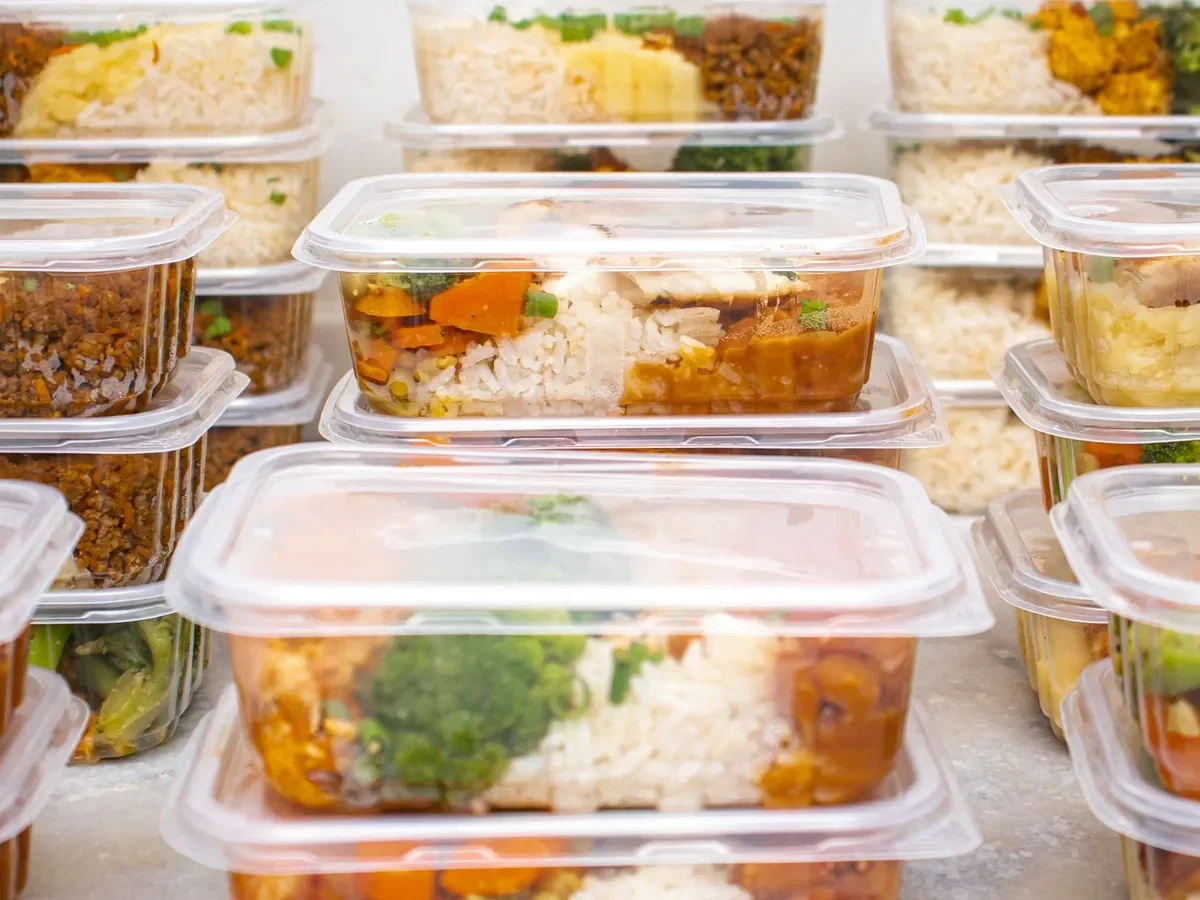
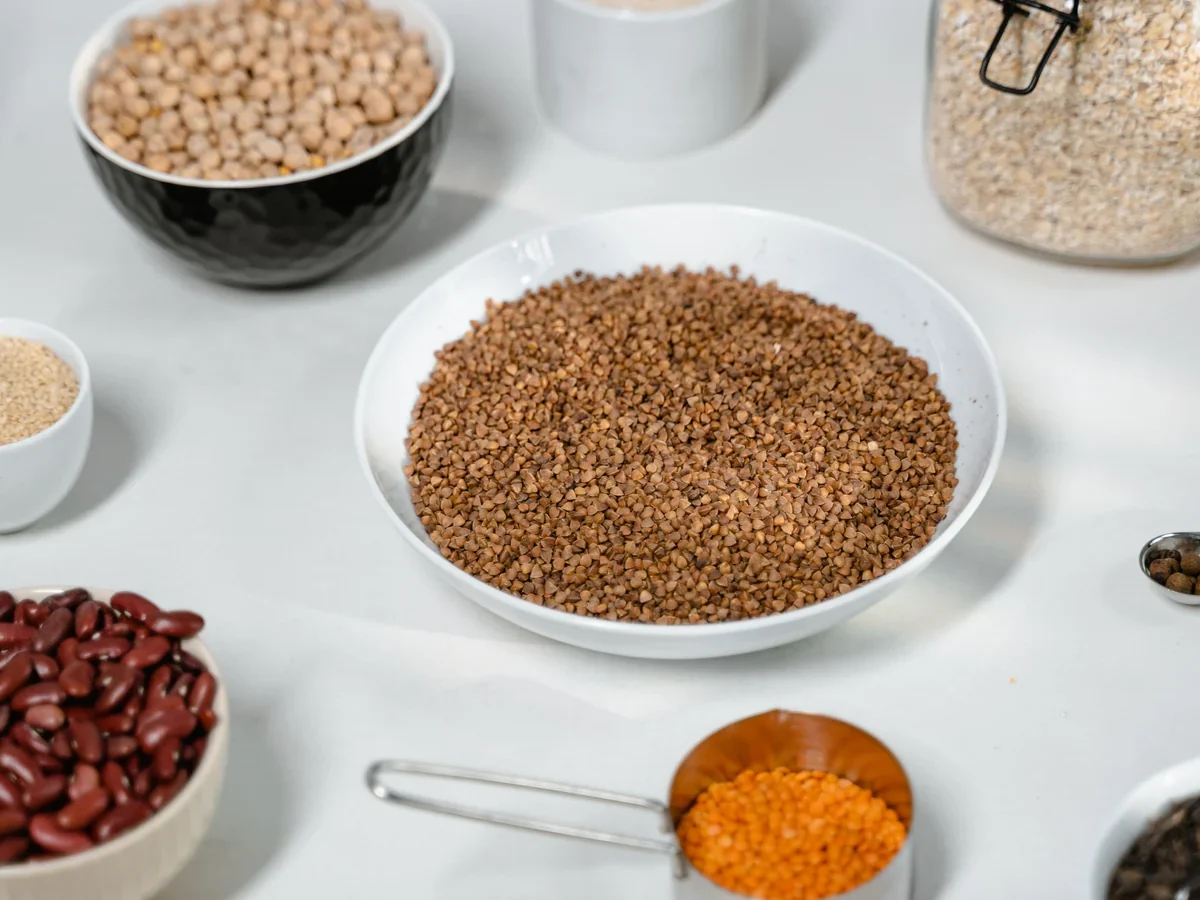
No single food will do the work for you, but fiber-rich foods can make a calorie deficit easier to live with. The evidence on fullness is mixed, so this list rests on what each food offers and where it falls short. Most Americans typically consume far below the fiber goal, so most adults have room to move up.
Key takeaways
The 2025-2030 Dietary Guidelines for Americans set a fiber goal of 28 g a day for women and 34 g a day for men ages 19-30. A simple rule of thumb is 14 g of fiber per 1,000 kcal.
Fiber helps some people feel full longer, but studies are mixed. Many test fiber supplements, not whole foods, and results vary from person to person.
Add fiber slowly, drink plenty of water, and spread it across the day. Going too fast is the most common reason people feel bloated and quit.
How these foods were ranked
A list of “best” foods means little without the rules behind it. Each food below was judged on the same criteria, and no single study decided the order.
Fiber per standard serving. This is the starting point. A food that delivers a lot of fiber in a normal portion is easier to work into real meals.
Soluble versus insoluble fiber. Soluble fiber, such as guar and beta-glucan, is viscous and is the type most often studied for fullness. Insoluble fiber adds bulk. Many foods contain a mix, and a varied plate covers both.
Nutrient density. Protein and minerals alongside the fiber help a food earn its place on your plate.
Practicality in the US. A food you can find at any grocery store and keep on hand is more useful than an exotic one you buy once.
Every entry also gets an honest limit: who it suits, and who might want to go slowly or skip it.
The top 10 high-fiber foods
Exact grams per serving vary by brand and preparation, so check the nutrition label on what you buy. The entries below focus on how each food fits a weekly routine.
Red lentils – a quick-cooking legume
Red lentils suit busy people who want a high-fiber base for soups and stews. They bring plant protein along with the fiber.
Best for: weeknight meals and batch cooking. Not ideal if: beans and lentils give you gas easily. Start with a small scoop and build up.
Chickpeas – a versatile legume
Chickpeas work in salads, roasted snacks, curries and spreads. That flexibility makes them easy to repeat several times a week.
Best for: people who like variety and meal prep. Not ideal if: your digestion reacts strongly to legumes. Ease in with small portions.
Black beans – a meal-prep staple
Black beans are cheap to keep on hand and pair easily with rice, eggs, vegetables and bowls. They are a reliable fiber and protein anchor.
Best for: meal prep and feeling satisfied at lunch. Not ideal if: you are sensitive to gas. Introduce them slowly.
Chia seeds – soluble-rich
Chia seeds are rich in soluble fiber. Stir them into oatmeal, yogurt or a smoothie, and drink water with them, since they absorb liquid.
Best for: adding fiber to foods you already eat. Not ideal if: you add a big spoonful on day one. Too much too fast can upset your stomach.
Raspberries – a fruit with fiber to spare
Berries are among the fruits highest in fiber for what they weigh, and they make an easy sweet snack.
Best for: people who want fiber in a dessert-like form. Not ideal if: fresh berries are hard to find or afford where you live. Frozen ones are a practical option.
Avocados – fiber with healthy fats
Avocados add fiber and a creamy texture to toast, salads and bowls. They stand out for nutrient density.
Best for: making meals more filling and satisfying. Not ideal if: you are watching calories closely. They are energy-dense, so portion size matters.
Raw broccoli – a low-effort vegetable
Broccoli adds fiber and volume to a plate with little effort. Eaten raw with a dip, or lightly prepared, it fits easily into lunches.
Best for: filling the plate with vegetables. Not ideal if: raw cruciferous vegetables make you gassy. Cooking it lightly may be easier on your gut.
Pears – a fruit to eat with the skin on
Pears, like apples, are a grab-and-go fruit that adds fiber to a snack. Eat the skin if you can.
Best for: an easy, portable snack. Not ideal if: you expect a pear alone to change your weight. It is one small piece of a bigger pattern.
Whole oats – a breakfast anchor
Whole oats are a simple, familiar way to start the day with fiber. Oats contain beta-glucan, one of the soluble fibers studied for fullness.
Best for: a steady breakfast routine. Not ideal if: you reach for sweetened instant packets, which can add calories you did not plan on.
Brussels sprouts – a hearty vegetable
Brussels sprouts add fiber and bulk to dinner, and roasting makes them more appealing to many people.
Best for: people who already like roasted vegetables. Not ideal if: you are prone to bloating. Start with a small side portion.
Almonds and spinach also deserve a mention. They add fiber and other nutrients and are easy to fold into snacks and meals, though they did not make this list.
What the evidence says about fiber and fullness
Here is what the evidence shows. In one randomized study, a 10 g dose of soluble fiber delayed hunger by about an hour and a half to two hours and raised fullness hormones. In another, 33 g of insoluble cereal fiber reduced appetite and lowered calorie intake in the short term. A meta-analysis of soluble fiber supplements found a lower BMI and a small weight difference compared with placebo.
The picture is less tidy than those results suggest. Most of the research tests supplements, not whole foods. Effects measured right after a meal are very mixed: 61% of acute treatments in a systematic review did not raise fullness. Nobody has settled which soluble fiber works best for weight, and the amount that helps varies by person.
Myth
Fiber burns belly fat or cancels out calories.
What the evidence says
Fiber does not target fat anywhere on your body. At best it helps some people feel full, which can make a calorie deficit easier to keep. Weight change still depends on your total calorie balance.
Whole foods or supplements?
Soluble fiber supplements show short-term effects in studies, but they cost more and results are uneven. Whole foods give you fiber plus other nutrients, and their long-term benefits appear more durable.
Whole foods
Fiber plus protein, minerals and other nutrients in the same bite. Most people do well starting here.
Soluble fiber supplements
Short-term effects in some studies, but they can be costly and results are uneven. Better treated as a second step.
Start with foods before you consider a supplement. If you have a medical reason to use one, ask your doctor first.
How to add more fiber without the bloat
A sudden jump can leave you gassy and uncomfortable. A slow ramp-up gives your digestive system time to adjust.
- Go up gradually. Add about 2-3 g of fiber a week, not a whole new diet overnight.
- Drink plenty of water. Aim for at least 2 L a day, since fiber needs fluid to move through.
- Spread it across the day. A little at each meal is easier on your gut than one huge serving.
- Give it time. Your digestion can take 2-3 weeks to adapt. Gas and a changed rhythm early on are common if you rush.
Not sure what your daily calories look like? Set a target with the calorie deficit calculator, then apply the 14 g per 1,000 kcal rule to see roughly where your fiber goal lands.
Talk to your doctor first if…
You are pregnant, have an eating disorder, take medication for diabetes, or have kidney disease. Raising fiber quickly can change how you digest food and how medication works. Adults over 50 have lower fiber targets and may also want to check in. This page is general information, not a personal dose.
Go further
Protein intake calculator: get your daily protein range in grams.
Frequently asked questions
How much fiber do I need to see weight loss?
There is no set threshold. The amount that helps varies by person, and no study turns a certain number of grams into pounds lost. Aim for the Dietary Guidelines goal, then pair it with a modest calorie deficit.
Will fiber supplements work as well as real food?
Not necessarily. Supplements show short-term effects in some studies, but results are uneven and they cost more. Whole foods give you fiber plus other nutrients, so they are the better place to start.
Can I increase fiber overnight, or do I need to go slowly?
Go slowly. Adding 2-3 g a week with plenty of water gives your digestive system time to adjust. Rushing is the usual cause of gas and bloating.
Does fiber curb hunger for everyone?
No. Some people feel fuller on high-fiber meals, but the research is mixed, and many short-term tests showed no change in fullness.
Sources
DietaryGuidelines.gov — Dietary Guidelines for Americans, 2025-2030
PubMed Central — Effect of soluble fiber dextrin on satiety (randomized study)
PubMed Central — Soluble dietary fibre and energy intake (systematic review)
American Journal of Clinical Nutrition — Insoluble cereal fiber and appetite (randomized study)
American Journal of Clinical Nutrition — Soluble fiber supplementation meta-analysis