A high-protein breakfast usually means about 15 to 30 g of protein before your day gets going. Most US health sources land in that range, and some set the bar at 20 to 30 g. Below, you’ll find why people aim for it, how to size it for yourself, and ten real options. Each one has a protein number and an honest drawback.
Key takeaways
Cleveland Clinic points to 15–30 g of protein at breakfast. Other nutrition sources often cite 20–30 g for a “high-protein” morning meal.
Protein helps with fullness. It does not make you full on its own, and breakfast alone does not decide weight loss.
Whole foods can get you to 20–30 g without protein powder.
Why a high-protein breakfast?
The common reason is fullness. Studies suggest protein keeps you satisfied longer than simple carbohydrates do. That is why many people feel steadier on eggs and yogurt than on a pastry. The word that matters is “helps.” Protein supports fullness, but it is one piece of a meal.
The second reason is arithmetic. The recommended daily amount of protein is 0.8 g per kilogram of body weight, according to NASEM. People eating fewer calories may need more. If you leave protein for dinner, a large share of your daily total has to land in one meal. Spreading it out makes the target easier to hit.
What this page will not tell you: that protein burns fat, speeds up your metabolism, or gives you all-day energy. None of that is supported here. Weight change comes down to your overall calorie balance across the whole day.
How much protein at breakfast?
The working range is 15 to 30 g. Cleveland Clinic gives that range, and the Academy of Nutrition and Dietetics is cited alongside it. A “high-protein breakfast” is often defined as 20 to 30 g. The exact number for you depends on age, sex, activity level, and your goal.
Cleveland Clinic also notes a timing habit: eat your protein within 90 minutes of getting up. It’s a common rule of thumb for healthy adults, not a deadline with magic attached.
Talk to your doctor first if…
You have kidney disease, diabetes, or you are pregnant. Protein targets and food choices can change with these conditions, and this page cannot set them for you. The same goes if a doctor has already given you a protein or calorie target.
Want a number tied to your own body weight instead of a general range? Run it through the protein intake calculator and compare it with the 15–30 g breakfast range.
Ten high-protein breakfast options, ranked by how they fit your morning
These are judged on five criteria, set before the list so you can see why each option sits where it does.
Protein per serving. This is the point of the page, so it comes first. Higher grams, higher placement.
Ease of prep. A breakfast you will not make on a Tuesday is not much help. Quick and simple beats anything that needs real cooking time.
Relative cost. Cheaper or pricier, in broad terms only. Prices vary by region and brand, so no price list appears here.
Broad appeal. Does it work for most people, or is it a niche taste?
Honest limit. Every entry has one. Allergies, taste, prep, or how filling it is for you.
1. Cottage cheese with fruit
About one cup of cottage cheese delivers roughly 25 to 30 g of protein, which puts it at the top for sheer grams. Fruit adds fiber and sweetness. It suits people who want a big protein number with no cooking. The limit: the texture divides people, and it is dairy, so it is out if you avoid milk products.
2. Greek yogurt with granola
A 7 oz serving of Greek yogurt holds 19.9 g of protein. Regular yogurt of the same size has 8 to 11 g, so the Greek version roughly doubles it. It is a grab-and-eat meal. The limit: granola adds bulk and sweetness but little protein, so most of the number comes from the yogurt. It is also dairy.
3. Oatmeal with protein powder
Oats alone are modest. Steel-cut oats give 6 g per quarter cup, and classic oats give 5 g per half cup cooked. Add 20 to 25 g from powder and the bowl reaches 25 to 30 g. It works for people who like a warm, filling breakfast. The limit: the protein comes from the powder, and you don’t need powder to hit 20–30 g, because whole foods can do it. Treat it as optional.
4. Eggs with vegetables and cheese
Two eggs plus cheese come to roughly 15 to 20 g. Vegetables add bulk without changing the protein much. It is a familiar, flexible plate. The limit: it sits at the lower end of the 20–30 g target unless you add more, and eggs are a problem for anyone with an egg allergy.
5. Scrambled eggs or an omelet
One large egg has 6.3 g of protein, and two have 12.5 g. Three eggs reach 18.9 g. This is the classic, and it is fast. The limit: two eggs alone fall short of 20 g, so pair them with something else or add a third.
6. Smoked salmon on toast
A 3 oz serving of fish gives 14 g of protein, and smoked salmon is a complete protein with omega-3 fats. A high-fiber bread makes the plate more filling. It is a good pick if you like savory mornings. The limit: it is a smaller protein hit than yogurt or cottage cheese, and relative cost tends to run higher.
7. Chicken sausage with toast
Three small links, about 60 g, give 12 g of protein. It is quick and easy to eat on the move. The limit: 12 g is under the 15 g floor of the usual range unless you add eggs or yogurt on the side.
8. Scrambled tofu
Half a cup of firm tofu gives 10 to 15 g. It is the plant-based pick that works with no dairy and no eggs. The limit: soy is an allergen for some people, and the protein sits below the 20–30 g target unless you pair it with something else.
9. Egg smoothie with fruit
Two eggs blended with fruit add up to about 12 g. It drinks fast when you have no time to sit down. The limit: it is a niche idea. The texture and the raw eggs put many people off, and 12 g is on the low side for a full breakfast.
10. Quinoa with yogurt
Half a cup of cooked quinoa gives 8 g. Stirred into yogurt, it becomes a bowl that is more filling than yogurt alone. The limit: the quinoa itself is a small contributor, and you have to cook it ahead.
Highest protein
Cottage cheese with fruit (about 25–30 g), oatmeal with protein powder (25–30 g), and Greek yogurt (19.9 g per 7 oz). Best when your goal is to reach 20–30 g in one sitting.
Lighter, needs a partner
Chicken sausage (12 g), egg smoothie (about 12 g), tofu (10–15 g), and quinoa (8 g). Fine foods, but pair them with another protein source to reach the usual range.
The pattern is simple. The biggest numbers come from dairy and from adding powder. The lower ones are easier on allergies or fit plant-based eating, but they usually need a second ingredient.
When to eat, and a tip for staying full
The timing most sources give is within 90 minutes of waking. That is a habit to try, not a rule with a penalty. If you wake up and do not feel hungry until later, a protein-rich meal at that point still counts.
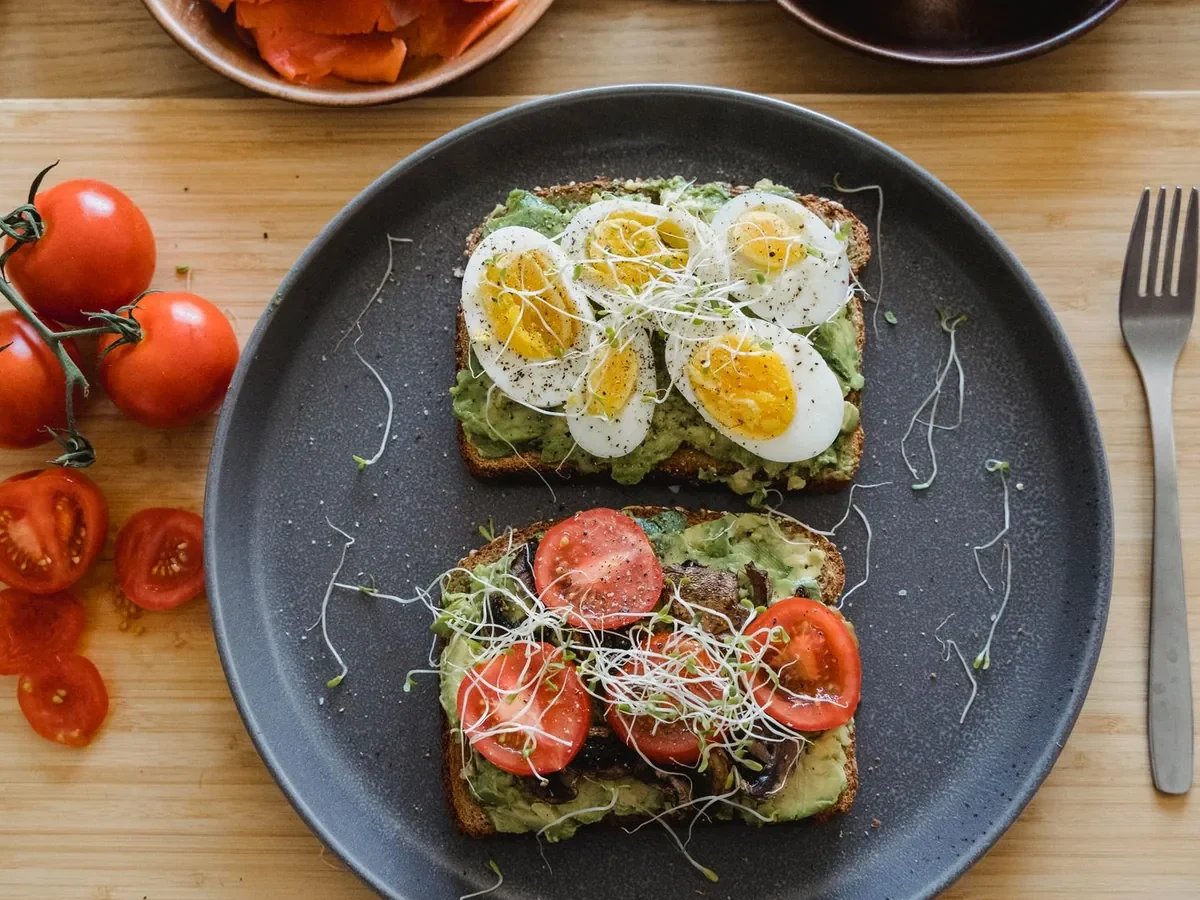
For staying full, build the plate with three parts: protein, fiber, and unsaturated fats. Eggs with vegetables and avocado toast on high-fiber bread both follow that pattern. It is standard advice and it holds up. It is not a metabolism trick, and it won’t override the calories in the rest of your day.
Myth
A protein-heavy breakfast revs up your metabolism and burns fat.
What the evidence says
Protein helps you feel full, which can reduce how much you eat later. Weight loss still depends on your overall calorie balance, not on breakfast alone.
Go further
Low Carb vs Keto for Weight Loss
High Fiber Foods for Weight Loss
Protein intake calculator: get your daily protein range in grams.
Frequently asked questions
Can I eat the same high-protein breakfast every day?
Yes, if you enjoy it and it meets your needs. Variety is not strictly necessary.
Is a high-protein breakfast good for weight loss?
Protein helps with fullness, which can reduce how much you eat later in the day. But weight loss depends on your overall calorie balance, not on breakfast alone.
What if I’m allergic to eggs?
Greek yogurt, cottage cheese, meat, tofu, legumes, and plant-based proteins are alternatives.
Do I need protein powder?
No. Whole foods alone can reach 20 to 30 g.